Architecting the Identity: Building a Portfolio Website from the Ground Up
The decision to finally build my portfolio wasn't about throwing a few links on a webpage; it was about documenting my journey as a CyberSecurity Engineer. I wanted a digital footprint that wasn't just another template replica. It had to be unique—something memorable that would stick with anyone who landed on it. The first step? Dusting off the old resume, giving it a much-needed update, and preparing it for the public web.
The journey kicked off with a surprisingly nostalgic tech betrayal. For the longest time, Microsoft Edge has been my daily driver. It just feels better, gets the job done efficiently, and honestly, the Edge developers deserve a raise for turning that ship around. But to build this portfolio and get everything rendering perfectly during development, I found myself reinstalling Chrome after almost three years (since Antigravity was asking for it, I don't know why). Sometimes, you just have to return to the classics to get the heavy lifting done.
The Design Dilemma and the "Star Element"
I am an engineer, not a designer. Jumping between design inspiration websites, AI models, and other developer portfolios was exhausting. I was hunting for the perfect background and a hover effect that felt professional and subtle, rather than overwhelming.
Trading ideas back and forth in Figma, my friend and personal designer, Naina, became the ultimate sounding board. Her constant reviews and sharp critiques pushed the layout forward, eventually helping me nail down what she calls "The STAR ELEMENT"; that one unique touch that makes the page pop.
Here, have a look at some of the previous "versions" that were never released:-
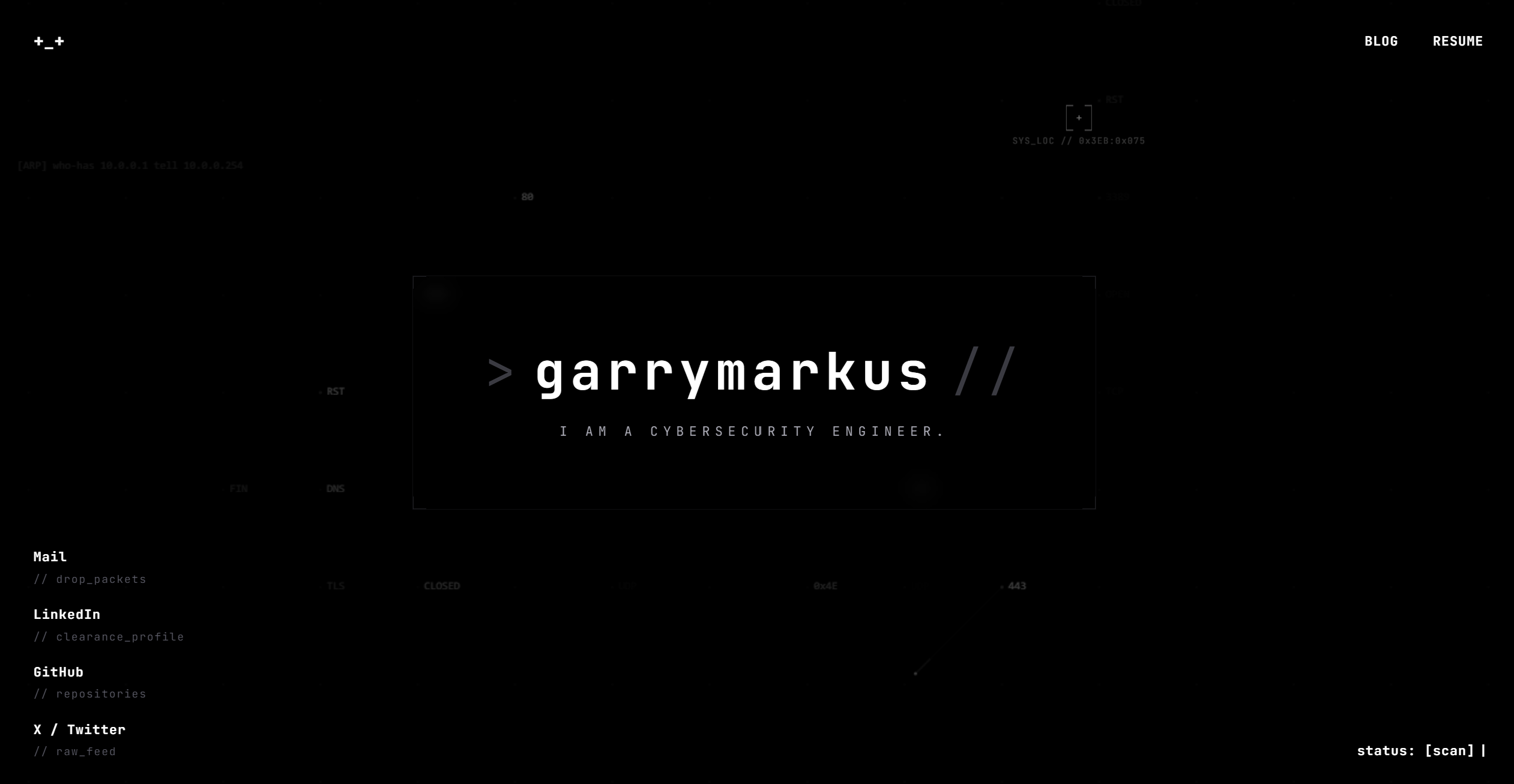
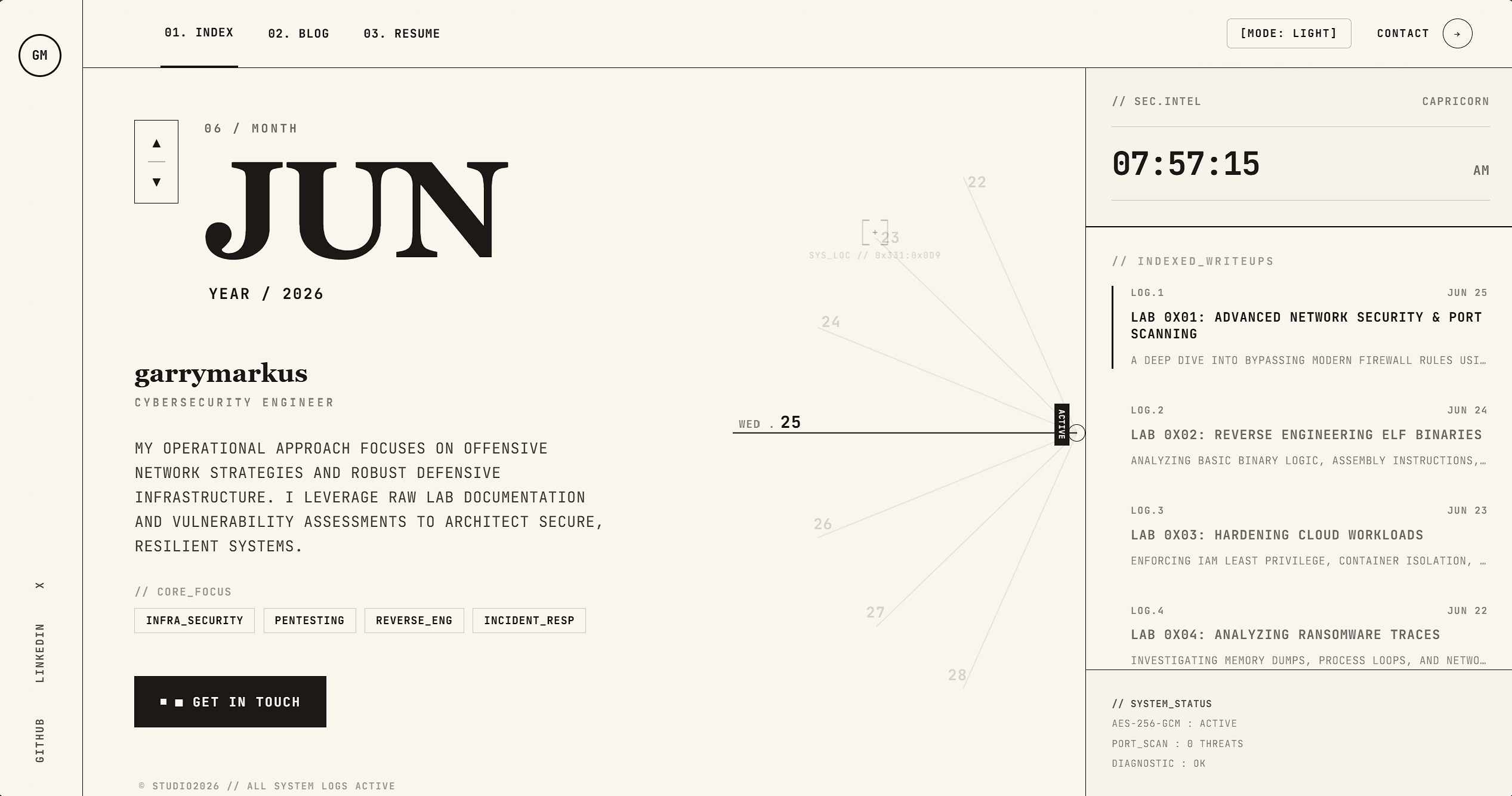
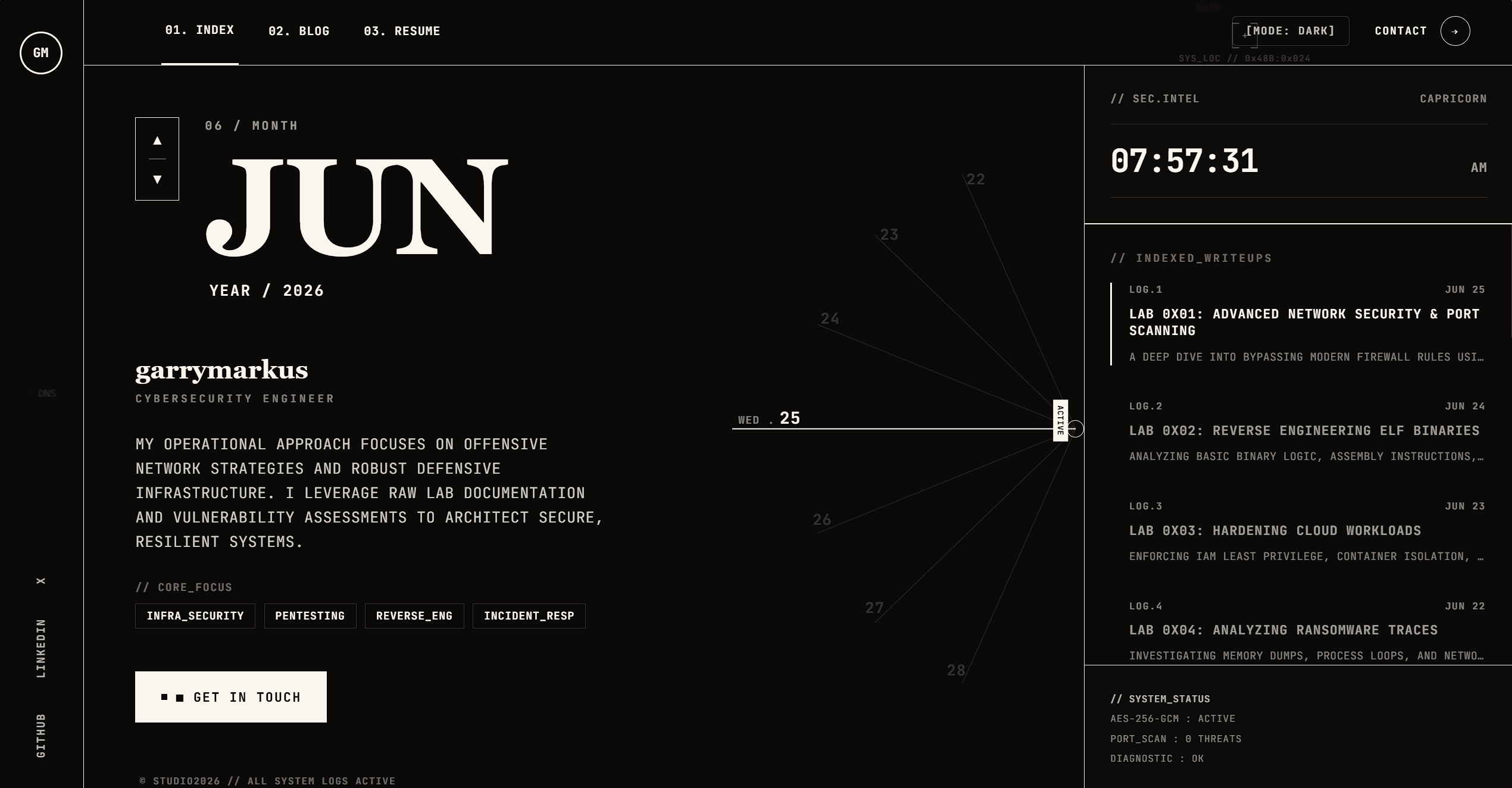
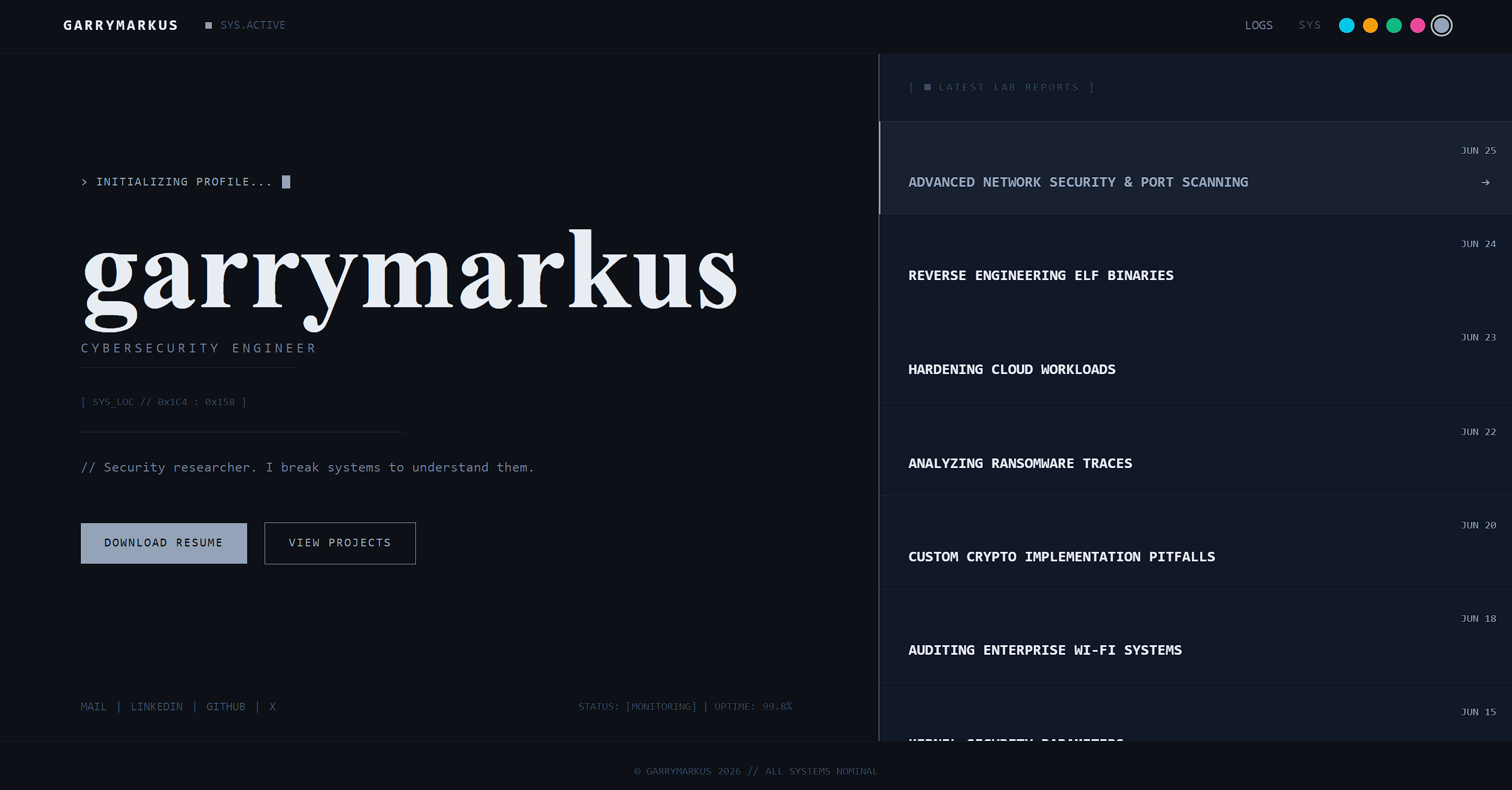
The header and profile sections quickly became a battleground of overthinking. Initially, I used text-based headings for my social handles, but tucking all that text into a corner looked cluttered and chaotic. I pivoted to clean, icon-based links. Still, deciding which accounts to keep, which to scrap, and how to arrange them felt like defusing a bomb. I didn't want this to feel like just another weekend project. Eventually, I consolidated the chaos by creating a dedicated "PROFILE" button that opens a clean, separate page housing all my essential links.
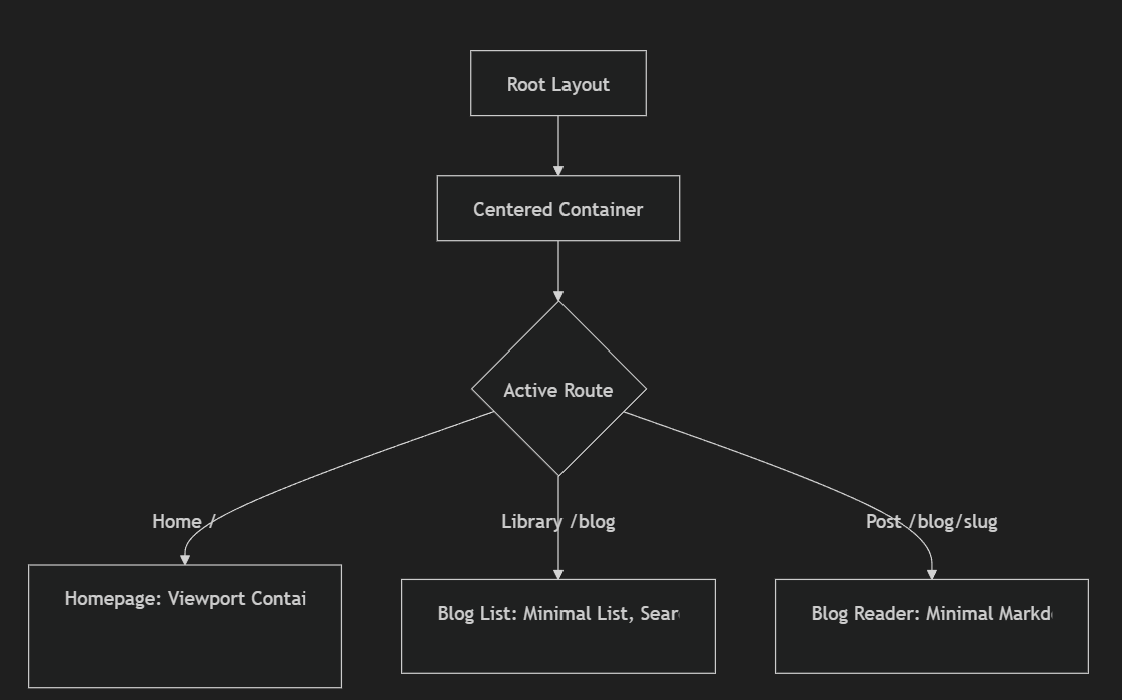
But then I again switched back to the original, found a way to arrange all of them!!
The AI Rollercoaster and Late-Night Logic
Then came the AI models. First, Claude fell.
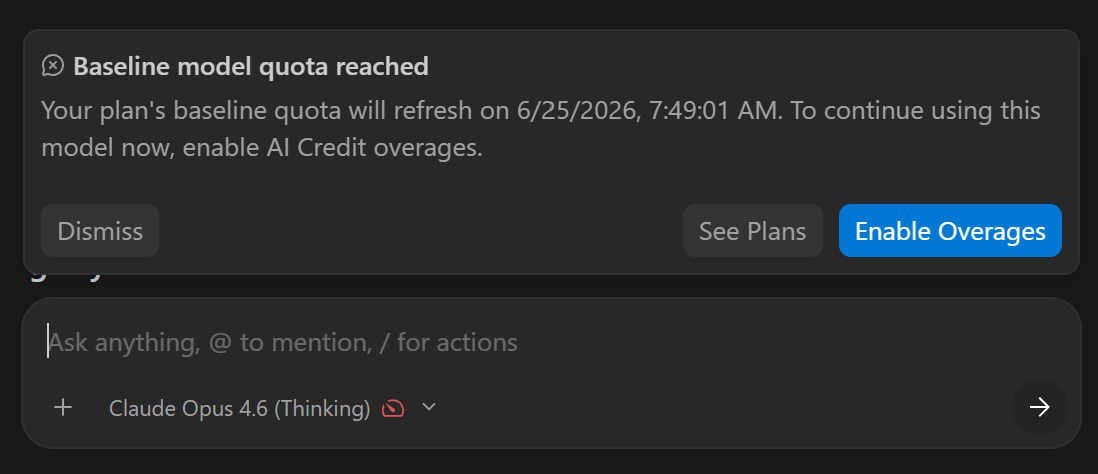
Then, the Gemini and others soon followed.
My first draft was incredibly basic. By the second draft, I had started experimenting with a mix of light and dark themes. Just as I hit a wall, the AI services flickered back to life. I was exhausted and ready to sleep, but that late-night developer logic kicked in: "Thodi der kaam karke tokens khatam kar dete hai phir soyenge, aur sokar uthenge toh token renew ho gaye honge..." (Let's work a bit more, exhaust the tokens, and by the time I wake up, they'll be renewed and I can get right back to it).
That decision led to an 8-to-10-hour marathon of rigorous prompting. It was a revelation. I finally understood why Claude Opus is praised so highly above the competition. I used to work on a team divided between a Python backend and a JS frontend—both superb tech stacks in their own right. But after grinding through the night to stitch this project together, the massive hype around the MERN stack finally clicked for me. Those hours were an absolute masterclass.
Chasing Minimalism
The visual layout proved to be an entirely different beast. Carving out space for a prominent Hero Section while ensuring the blog pages remained highly readable was completely energy-draining. Making those creative choices requires a level of focus that is hard to sustain when you are wrestling with code.
A few hard truths I learned along the way:
Bad AI model selection hurts. It leads to wasted time, poor code, and intense frustration.
Prompt Engineering is non-negotiable. It is an essential skill to master. Navigating tech life without it is going to be wildly unproductive and unnecessarily hard.
At one point, everything was flowing so well I thought the sky was the limit. Then the system hit me with the dreaded: "TOKEN EXPIRED." My energy expired right along with it.
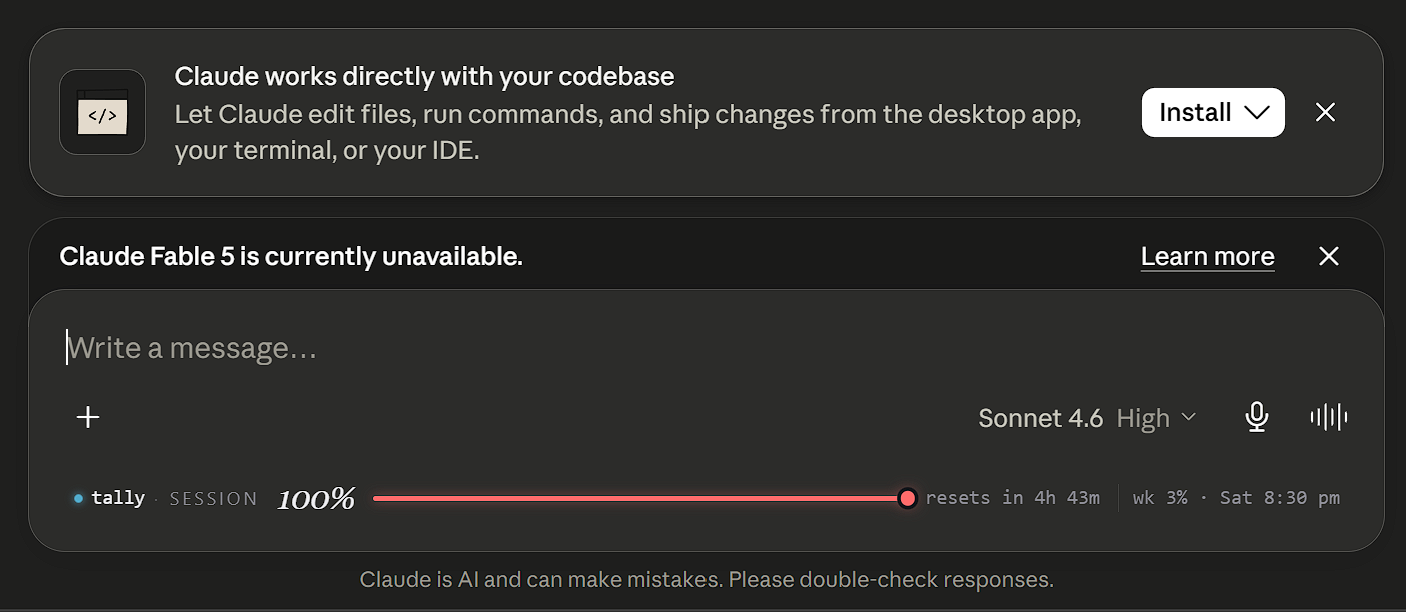
I went through several more visual iterations. One of the later designs looked fantastic, but I ended up scrapping it completely. It had drifted too far from the minimal theme I originally envisioned. You have to know when to kill your darlings to protect the core vision.
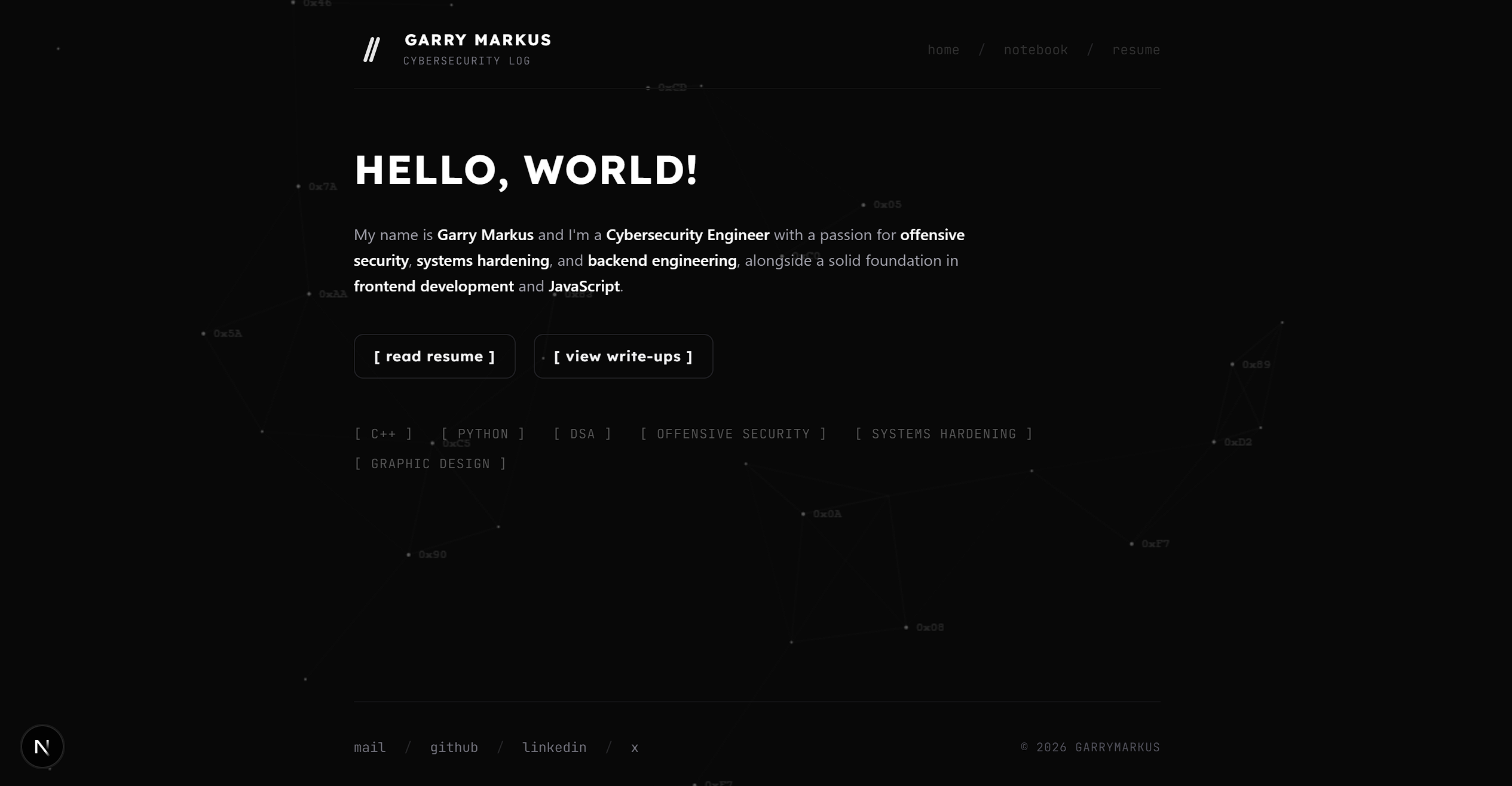
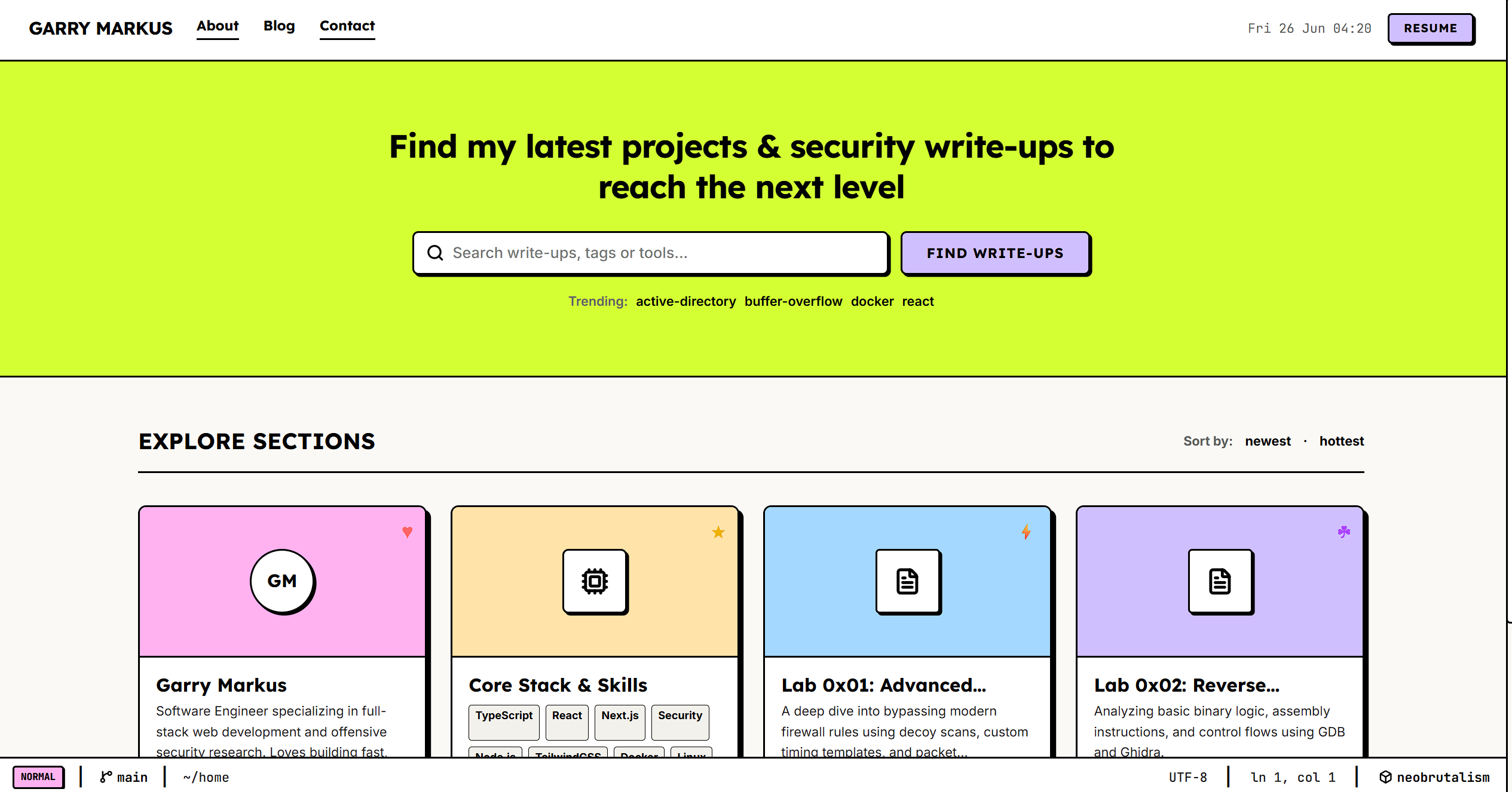
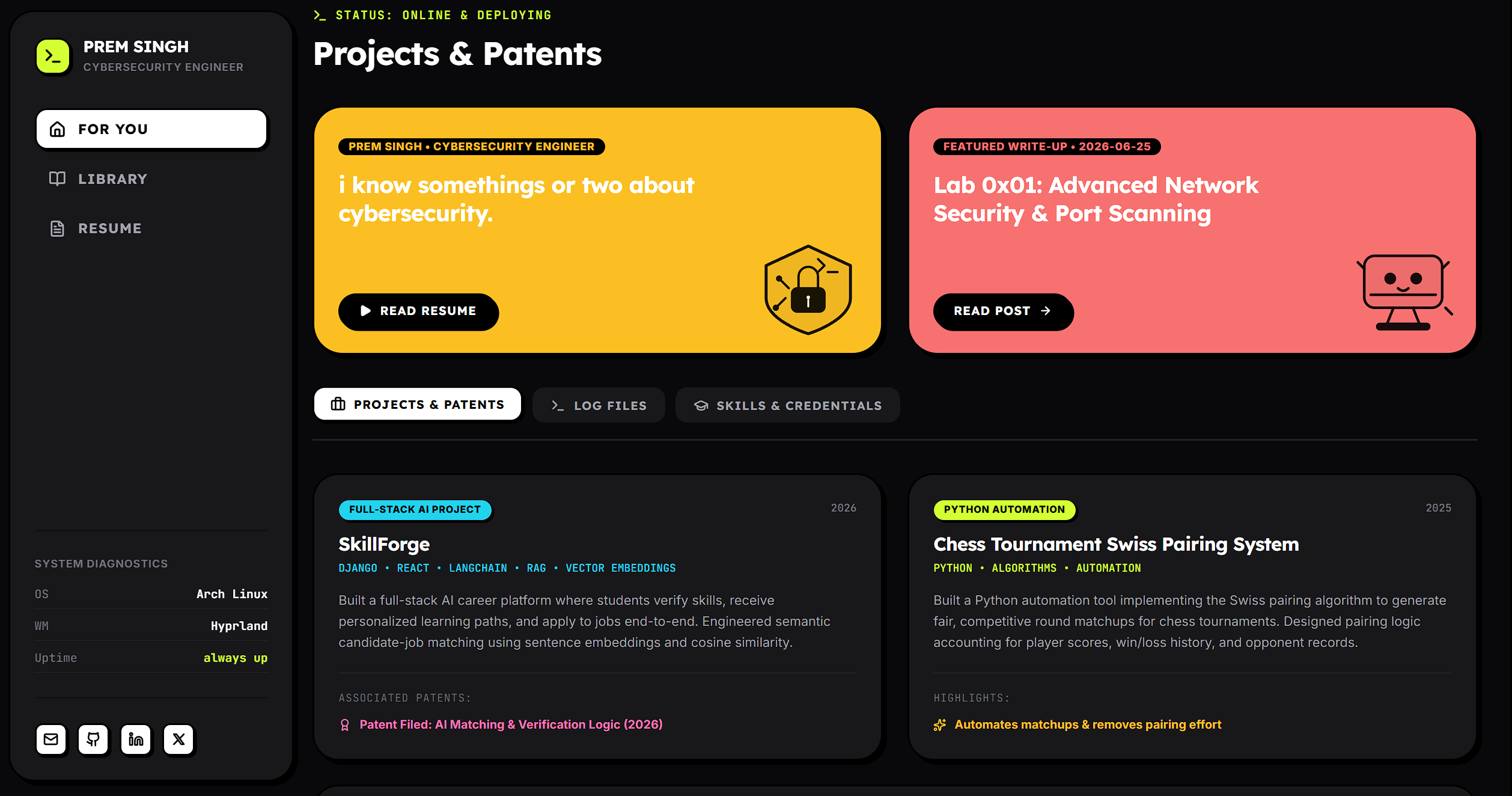
As of now, it is still a work in progress. And honestly? Another design change is probably already on the way.